Insider tips to avoid hidden rubbish removal charges in Aldgate
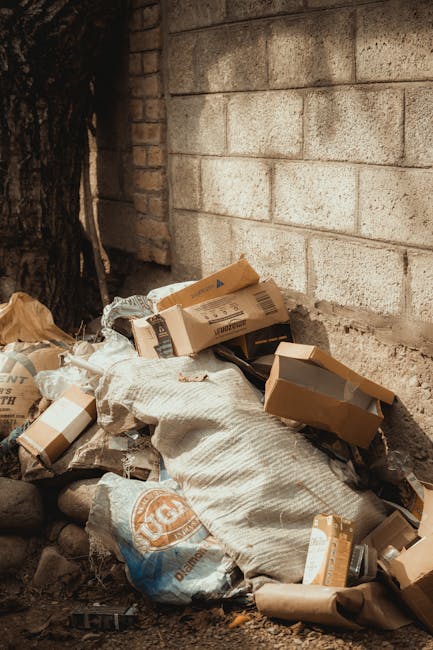
If you have ever booked rubbish removal and then spotted surprise add-ons on the invoice, you will know the feeling: a decent quote suddenly turns into a not-so-decent one. In Aldgate, where access can be tight, parking is a bit of a puzzle, and jobs often involve flats, offices, or awkward stairwells, hidden costs can creep in fast. The good news is that most of them are avoidable if you know what to ask, what to check, and what to put in writing before anyone lifts a bag.
This guide shares practical, street-smart advice on how to avoid hidden rubbish removal charges in Aldgate. We will look at the pricing traps people miss, how reputable collectors usually price a job, and the exact steps you can take to keep things transparent. Nothing flashy. Just the stuff that saves time, money, and a fair bit of annoyance.
Why Insider tips to avoid hidden rubbish removal charges in Aldgate Matters
Hidden charges are not just a budgeting headache. They can also make a simple clear-out feel oddly stressful. One minute you are clearing a loft, office, or flat; the next you are being told there is an extra fee because the waste is "heavier than expected" or because the team had to carry items down several flights of stairs. Truth be told, some extra costs are legitimate. Others are simply not explained well enough at the start.
Aldgate adds its own flavour to the problem. There can be limited loading space, controlled parking, narrow entrances, shared hallways, and mixed-use buildings where access changes by the minute. That means a quote can be accurate one day and wrong the next if the provider did not ask the right questions. If you are comparing options, the safest starting point is usually the provider's pricing and quotes information, because it should show whether the business is trying to be clear from the outset.
It matters most when you are dealing with bulky furniture, builders' waste, appliance removal, or a full property clearance. In those situations, a vague estimate can turn into a bill that feels larger than the job itself. And nobody enjoys that at 5pm on a wet weekday, with bags by the door and a van waiting outside.
How Insider tips to avoid hidden rubbish removal charges in Aldgate Works
Most rubbish removal pricing is built from a few moving parts: volume, weight, labour, access, waste type, and how quickly the job needs doing. That sounds simple, but the detail matters. A provider may quote based on how much space the waste takes up in the vehicle, then adjust if the load is unexpectedly heavy or awkward to handle. Some items, such as fridges, mattresses, sofas, or hazardous materials, may need special treatment and therefore different pricing.
The trick is to separate estimated costs from conditional costs. A proper quote should tell you what is included and what might change it. For example, a standard office clearance may include labour and loading, but exclude permit fees, special item disposal, or additional trips. That is normal. The issue is when those exclusions are buried in fine print or appear only after the team arrives.
If you are dealing with a mixed household clear-out, it may help to compare the relevant service pages before you book. A loft job is not the same as a garden clearance, and a sofa disposal job is not the same as general waste removal. That is why services like loft clearance, garden clearance, and mattress and sofa disposal exist as distinct options rather than one broad catch-all.
In practice, the cleaner the job description, the less room there is for pricing drift. That is the heart of it.
Key Benefits and Practical Advantages
Getting upfront pricing right is not only about saving money. It improves the whole experience. When the quote is clear, the collection day runs smoother, the team can arrive prepared, and you are less likely to have that awkward "hang on, what's this extra line for?" conversation by the van.
- Better budgeting: You can compare services properly and avoid surprise increases.
- Less stress on the day: The team knows what to expect before they arrive.
- Fewer disputes: Clear terms reduce the chance of disagreement later.
- Faster turnaround: When access and waste type are agreed in advance, the job usually moves quicker.
- Better value for mixed jobs: You can decide whether a specialist clearance is cheaper than paying add-on fees for each item.
There is also a trust angle here. A company that explains its pricing clearly often tends to explain the rest of the job clearly too: what can be collected, how items are handled, and what happens to reusable or recyclable material. If sustainability matters to you, it is worth looking at a provider's recycling and sustainability approach as well, because transparent disposal and transparent pricing usually go hand in hand.
Expert summary: The easiest way to avoid hidden rubbish removal charges in Aldgate is to make the quote specific, the access conditions obvious, and the exclusions written down before collection day. Simple, but effective.
Who This Is For and When It Makes Sense
This advice is useful for pretty much anyone arranging waste removal in Aldgate, but it matters most for people with more complicated jobs. If you are clearing a basement, a top-floor flat, a commercial office, or a property with awkward access, the risk of a "small extra charge" is higher than average.
It is especially relevant if you are:
- moving out of a flat and need a fast clearance
- emptying a rental between tenancies
- clearing office furniture or archived waste
- dealing with post-renovation builders' debris
- disposing of large furniture, appliances, or mixed bulky waste
- trying to compare rubbish removal with a skip and want the real cost difference
If your job is business-related, you may want to check a dedicated business waste removal service rather than treating it like a domestic one. Office jobs often involve different access times, different waste streams, and extra care around confidential material. That last bit is easy to forget until you are staring at a pile of old files and wondering what on earth to do with them. If that is your situation, confidential shredding may be worth a look.
This also makes sense for landlords, letting agents, and property managers who need tidy handovers. One missed detail can lead to a charge that was entirely avoidable. And yes, that is the sort of thing that causes grumpy emails later.
Step-by-Step Guidance
Here is the simplest way to avoid hidden rubbish removal charges without overcomplicating the process.
- List exactly what needs removing. Include item types, approximate quantity, and any heavy or awkward pieces. A "few bags" is not enough if there are also broken units, a fridge, or a mattress in the mix.
- Take clear photos. Wide shots help, but include close-ups of bulky items too. If the pile is in a basement, loft, or tight hallway, show that as well. It sounds obvious, but photos save arguments.
- Describe access honestly. Mention stairs, no lift, narrow corridors, parking restrictions, timed entry, or distance from the loading point. Access is one of the biggest sources of surprise costs.
- Ask what the quote includes. Labour, loading, disposal, recycling, VAT, congestion exposure, parking, and special item handling should all be clear. If a cost is conditional, ask what triggers it.
- Confirm item restrictions. Waste type matters. For example, hazardous items need specialist handling, and some electrical items may have separate disposal rules. If you are dealing with a freezer or washing machine, check the rules for fridge and appliance removal.
- Ask about minimum charges. Some services price by load size or vehicle capacity, so a small job can still carry a base fee. That is fine if it is explained; annoying if it is not.
- Request the final price logic in writing. Even a short email or booking confirmation is better than relying on a phone call you will not remember correctly two days later.
- Re-check before collection day. If more waste has appeared, or if access has changed, let the provider know early. A two-minute message can prevent a two-line surprise fee.
Small aside, but a useful one: people often forget to mention items left in cupboards, sheds, or behind doors. Then the team arrives and discovers a second pile. Not ideal. Not dramatic, just awkward.
Expert Tips for Better Results
If you want the sharper, more insider-style advice, these are the habits that make the biggest difference in Aldgate.
1. Treat "cheap" quotes with caution if they are vague
A quote that looks unusually low may be missing key costs. That does not automatically mean it is dodgy, but it should prompt a few extra questions. Ask whether the price assumes ground-floor access, light waste only, or a certain volume threshold.
2. Separate heavy waste from general waste
Builder's rubble, soil, tiles, and mixed renovation debris can behave very differently from house clear-out waste. If your job includes construction material, a dedicated builders waste clearance service may give you a more accurate price than a general uplift.
3. Be precise about bulky furniture
Sofas, wardrobes, and bed frames can affect labour and vehicle space more than people expect. If the job is mainly furniture, a focused furniture clearance option may be cleaner and easier to price.
4. Ask what happens if the load is smaller than expected
Some companies are happy to reduce the price if there is less waste on the day; others stick to a booked minimum. Knowing this in advance helps you decide whether to sort more carefully beforehand.
5. Watch for "special item" fees
Mattresses, appliances, and certain bulky or awkward items sometimes have separate disposal routes. That is not necessarily a hidden charge if it is explained upfront. It becomes a problem when the fee appears only after the van is loaded.
6. Use comparison questions, not just comparison prices
When two quotes are close, ask: Which one includes labour? Which one covers access issues? Which one explains disposal? The cheapest quote is not always the best value. In fact, sometimes it is the most expensive by the time everything is added up.
If you are managing ongoing premises, it can also help to look at office clearance and house clearance options in a broader planning sense, because repeat jobs are where pricing clarity really pays off.
Common Mistakes to Avoid
Most hidden charge problems start with one of a few predictable mistakes. The good news? They are all avoidable.
- Giving a rough description only: "Just a small amount of rubbish" rarely helps anybody.
- Forgetting access details: A third-floor flat with no lift is not the same as a driveway job.
- Ignoring restricted items: Appliances, hazardous waste, and some upholstered furniture can require special handling.
- Not checking the terms: It takes a few minutes and can save a very expensive misunderstanding.
- Assuming all waste is priced the same: It is not. Waste type, weight, and loading effort all matter.
- Leaving out extra locations: If waste is split between a garage, loft, and flat, say so early.
Another classic mistake is booking the job before checking whether the provider has a clear complaints process or payment guidance. Not because you expect a problem. It is more about knowing the business has a sensible structure if something does go wrong. A transparent complaints procedure and clear payment and security information can be reassuring, even if you never need them.
And honestly, if a company is reluctant to explain a fee, that is usually the fee you should be most suspicious of. Funny how that works.
Tools, Resources and Recommendations
You do not need specialist software to keep rubbish removal pricing under control. A few simple tools are enough.
- Camera phone: Take dated photos of the waste and access points.
- Notes app: Record item lists, dimensions, and any special concerns.
- Basic measuring tape: Helpful for bulky furniture, cupboard clear-outs, or awkward items.
- Building access checklist: Note door codes, parking constraints, lift availability, and collection times.
- Booking confirmation: Save any email, text, or written estimate so you can compare it later if needed.
When checking service fit, these pages may be useful depending on the job type: home clearance for broader domestic clear-outs, flat clearance for smaller homes or apartments, garage clearance for stored clutter, and general waste removal if the load is mixed and straightforward.
If sustainability matters to you, read the provider's disposal approach carefully. Transparent recycling practices usually indicate that the business is thinking beyond a quick pickup. That tends to be a good sign.
Law, Compliance, Standards, or Best Practice
This topic touches money, waste handling, and in some cases safety, so a careful approach matters. In the UK, waste must be handled responsibly, and businesses collecting rubbish should be able to explain how they manage different waste types. If you are arranging disposal of items that could be classed as hazardous, or anything with special handling requirements, you should not guess. Ask first.
For everyday jobs, best practice is fairly straightforward:
- describe the waste accurately
- tell the provider about access issues
- ask what is included in the quoted price
- keep written confirmation of the booking
- separate general waste from special-category items where possible
Safety also matters. Heavy lifting, sharp edges, and awkward furniture can create avoidable risk, particularly in old buildings or tight stairwells. If you need reassurance about operational standards, it is worth reviewing a company's health and safety policy and insurance and safety information. For waste streams that need more care, such as chemicals, solvents, paint, or contaminated material, look at hazardous waste disposal rather than assuming they can go with ordinary rubbish.
There is also a practical compliance angle around reusable or recyclable items. Responsible handling is not just a nice extra. It is part of good service. That is why a provider's recycling and sustainability approach deserves a look alongside price.
Options, Methods, or Comparison Table
If you are deciding between rubbish removal and other clearance methods, the choice often comes down to convenience, access, and how much control you want over the final bill. Here is a simple comparison.
| Method | Best for | What to watch for | Hidden-charge risk |
|---|---|---|---|
| Rubbish removal service | Quick uplift, bulky items, mixed loads | Access, waste type, labour, minimum charges | Medium if the quote is vague |
| Skip hire | Longer jobs, ongoing DIY, repeated loading | Permit needs, skip size, prohibited items | Low on collection day, but higher if you choose the wrong size |
| Specialist clearance | Furniture, offices, builders' waste, appliances | Item-specific pricing, special handling, labour time | Low to medium if the scope is clear |
If you are weighing up a skip, it helps to understand what can and cannot go in it before you commit. A quick read of what can go in a skip can prevent expensive mistakes like loading banned items or underestimating capacity. That is one of those boring topics that saves real money. Boring, but useful.
For people clearing mixed domestic spaces, furniture-focused jobs, or one-off room clearances, a removal service is often the easier route because labour is built in. For repeated DIY waste or a renovation with ongoing debris, a skip may make more sense. Different jobs, different maths.
Case Study or Real-World Example
Here is a typical Aldgate-style scenario. A resident in a fourth-floor flat needs a sofa removed, several bags of mixed rubbish taken away, and a bulky broken cabinet moved from a narrow hallway. At first glance, it sounds straightforward. Then the details come out: no lift, controlled entry, limited parking, and a slot time that leaves the team with only a short window to work.
If the resident had simply asked for "rubbish removal for a few items," the quote might have been too optimistic. But once they sent photos, confirmed the stairs, listed the sofa separately, and mentioned the access restrictions, the provider could price the job properly. Not cheaper, necessarily. Just accurate. And that is the point.
On the day, there was no back-and-forth about extra labour or "unexpected" carry distance. The job finished in one visit, and the customer knew why the price was what it was. A little dull? Maybe. A lot less stressful? Absolutely.
A similar thing happens with house clearances. A property may look tidy in one room, then you open the loft or garage and suddenly the volume jumps. If that sounds familiar, checking house clearance or garage clearance pages early can help you frame the job correctly before anyone quotes.
Practical Checklist
Use this checklist before you accept any rubbish removal quote in Aldgate.
- Have I listed every item to be collected?
- Have I included photos of both the waste and the access route?
- Have I mentioned stairs, lifts, parking, and entry restrictions?
- Have I asked whether the quote includes labour, disposal, and VAT?
- Have I checked for special item charges?
- Have I confirmed whether the provider handles my waste type?
- Have I asked what happens if the load is larger or smaller than expected?
- Have I saved the quote or booking confirmation in writing?
- Have I checked safety, insurance, and complaints information?
- Have I decided whether waste removal, a clearance service, or a skip is the better fit?
If you want a simple next step, start with the quote page, then work backwards from your actual waste pile. That usually gives the clearest picture.
Conclusion
Hidden rubbish removal charges are usually avoidable, but only if you treat the booking like a small project rather than a quick phone call. In Aldgate, where access can be tight and jobs often involve mixed waste or awkward buildings, the details matter more than people expect. Photos, item lists, access notes, and a written quote can save you from the usual pricing surprises.
The real insider tip is this: do not ask only "How much?" Ask "What exactly is included, what could change it, and what happens if the job is a bit different on the day?" That one habit can make the whole process calmer and much more predictable.
Get a free quote today and see how much you can save.
Frequently Asked Questions
What are hidden rubbish removal charges?
They are extra fees that were not clearly explained before booking, such as labour add-ons, access charges, special item fees, or disposal surcharges. Some may be valid, but they should be stated clearly in advance.
How can I avoid surprise charges in Aldgate?
Give a full item list, send photos, explain access restrictions, and ask for a written quote that shows what is included. The more specific you are, the less room there is for unexpected extras.
Why do access issues affect the price?
If a team has to carry waste down stairs, through narrow hallways, or far from the loading point, it takes more time and effort. That can reasonably affect the quote, especially in older or tightly packed buildings.
Is the cheapest quote usually the best option?
Not always. A very low quote may leave out important costs or assume ideal conditions. A clear, fair quote is usually better value than a cheap one with add-ons waiting later.
Do I need to mention every item individually?
Ideally, yes. At least mention bulky, heavy, or special items separately. Sofas, appliances, mattresses, rubble, and hazardous items are the ones most likely to change pricing.
Are fridge and appliance removals charged differently?
Often they are, because appliances may require specific handling or disposal routes. If you have a fridge, freezer, or washing machine, ask about appliance-specific pricing before booking.
What if I only have a small amount of waste?
Even small jobs can have a minimum charge, especially if labour and disposal are included. Ask how the company prices small loads so you know whether it is better value than waiting and combining the waste.
Should I choose rubbish removal or a skip?
It depends on access, volume, and how quickly you want the waste gone. If you need help carrying items and want one visit, removal is often easier. If you have ongoing DIY waste and space for a skip, that can work well too.
What should be in a proper quote?
A proper quote should explain the waste type, volume assumptions, labour, access conditions, disposal, and any possible extra charges. If something is unclear, ask for it to be spelled out.
Can I get a better price by sorting the waste first?
Often, yes. Separating general waste from reusable furniture, appliances, or specialist items can make the job easier to price and sometimes cheaper to handle overall.
Why does sustainability matter when I'm mainly worried about price?
Because a responsible provider is more likely to sort waste properly, explain disposal routes, and avoid sloppy charging habits. Transparent handling and transparent pricing often come from the same working culture.
What should I do if a charge appears after booking?
Ask for a clear explanation and compare it with the original quote or confirmation. If the extra fee was not discussed, raise it calmly and ask how it was calculated. A proper provider should be able to explain it.
If you are still comparing options, take your time and trust the companies that explain things clearly. That simple instinct saves more money than most people realise, and it usually leads to a smoother day all round.