 Commercial Waste Removal Aldgate: Sustainable Recycling and Eco-Friendly Disposal
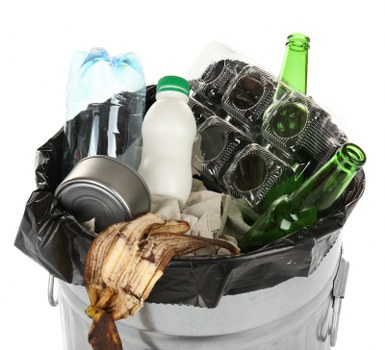
Commercial Waste Removal Aldgate is focused on building an eco-friendly waste disposal area and a sustainable rubbish area for businesses across Aldgate and adjacent boroughs. Our approach to Aldgate commercial waste removal combines practical on-site separation, timely collections, and responsible transfer to licensed facilities. We work with property managers, retailers and office campuses to ensure waste is treated as a resource rather than a cost. This page outlines our recycling and sustainability commitments, the local infrastructure we use, and how our low-emission vehicles and charity partnerships support circular outcomes.
 Why sustainability matters for commercial rubbish removal in Aldgate. Aldgate sits on the border of the City of London and Tower Hamlets, an area where dense commercial activity generates a complex mix of materials: paper and cardboard from offices, glass and plastics from hospitality venues, food waste from canteens, and construction demolition (C&D) debris from frequent refurbishments. Our services tailor Aldgate commercial waste removal to local borough waste separation rules and the practical requirements of an urban sustainable rubbish area. We help clients meet regulatory expectations while keeping costs predictable and environmental impact low.
Low-carbon fleet, transfer stations and local sorting
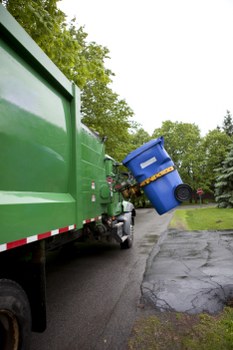
 We operate a fleet of low-carbon vans and small electric-assisted trucks to reduce emissions from collection journeys. Using hybrid and electric vehicles minimises local air pollution and supports an eco-friendly waste disposal area strategy across Aldgate. Collections are routed to nearby licensed transfer stations and Materials Recovery Facilities (MRFs) that specialise in commercial streams. By limiting double handling and choosing transfer stations that prioritise high-quality sorting, we increase recycling yields and keep recyclable materials out of landfill.
Local infrastructure we work with includes transfer stations serving the City and East London, where mixed commercial loads are processed into separated streams such as:
- Paper and cardboard (office flats and baled cartons)
- Glass (bottles and food-grade containers)
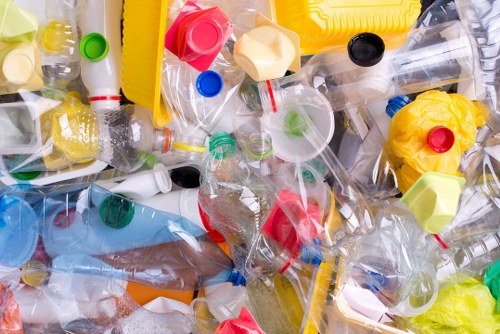
- Plastics and metal packaging (sorted for reprocessing)
- Food and organic waste (sent for anaerobic digestion where available)
- WEEE (small electricals removed for specialist recycling)
- Construction and demolition materials (concrete, inert, timber for reclamation)
Partnerships with charities and reuse networks
 A key part of sustainable commercial waste removal in Aldgate is reuse. We maintain active partnerships with local charities and social enterprises that accept furniture, business equipment and surplus stock. Items that are still usable are diverted from disposal and redirected to community projects or resale channels, giving them a second life and supporting local causes. These collaborations strengthen the circular economy and create social as well as environmental value from commercial waste flows.
To support a resilient and measurable sustainable rubbish area, our service model includes:
- Segregated collections — clear streams for paper, glass, metal, plastics and organics to match borough schemes
- On-site audits — to identify reduction opportunities and right-size containers
- Donation logistics — scheduled drop-offs to partner charities for furniture and office equipment
- Dedicated routes to transfer stations that prioritise high recycling recovery rates
Targets, measurement and borough alignment
 We set an ambitious recycling percentage target for commercial collections: a 70% recycling-and-recovery rate across applicable commercial streams within three years for clients adopting our full segregation programme. This target reflects what is achievable given current local infrastructure and the City of London and Tower Hamlets approaches to waste separation, which encourage source separation for food, mixed recyclables and glass. To reach this goal we track diversion metrics by site, report monthly tonnages, and use real case studies (anonymised) to show progress toward a greener Aldgate commercial waste removal sector.
Measurement is transparent: each client receives a performance dashboard that shows tonnes diverted, percentage recycled, CO2 emissions saved by low-carbon vans, and charity donations made. These metrics help property managers and tenants demonstrate sustainability credentials for ESG reporting and local planning requirements.
Our emphasis on local collaboration means we regularly liaise with transfer stations, MRF operators and borough waste teams to ensure that our collections feed into the best possible recycling streams. Where the City of London or neighbouring boroughs update their policies — for example, expanding separate food waste collections or tightening requirements for construction materials — we adapt routes and sorting protocols to keep compliance seamless and to protect recycling yields.
How businesses can join the sustainable shift
Commercial clients in Aldgate can begin by requesting a waste audit or by trialling segregated bins for a single floor or block. Even small changes — clearer signage, colour-coded containers and scheduled charity pickups — make a measurable difference. Our Aldgate commercial rubbish removal teams provide training materials and practical on-site support to reduce contamination and maximise the amount of material sent for recycling rather than disposal.
In summary: Our Aldgate-focused commercial waste removal services combine low-emission vehicles, close coordination with local transfer stations, charity partnerships for reuse, and a 70% recycling target to advance an eco-friendly waste disposal area and a truly sustainable rubbish area for businesses in and around Aldgate. By aligning operations with borough waste separation approaches and investing in measurement and community partnerships, we make commercial waste work for people and the planet.
