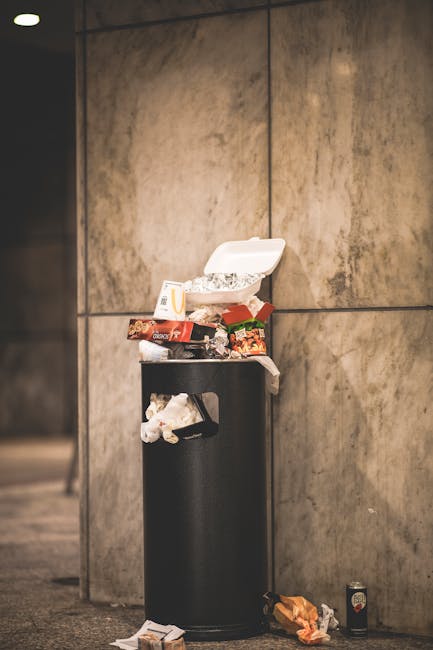
Rubbish clearance guide for Aldgate High Street flats

If you live in a flat on Aldgate High Street, rubbish has a way of building up quietly. One chair becomes three. A broken wardrobe waits by the hallway. A few bags of loft clutter start to smell a bit musty by the window. Before you know it, the whole place feels tighter than it should. This Rubbish clearance guide for Aldgate High Street flats explains how to clear waste safely, efficiently, and without turning your day into a moving target.
Whether you are dealing with an end-of-tenancy clear-out, a furniture swap, post-renovation debris, or just years of "I'll deal with it later", the aim is the same: make the job simpler, avoid mistakes, and choose a clearance method that actually suits flat living in central London.
- Why rubbish clearance matters in Aldgate High Street flats
- How the clearance process works
- Key benefits and practical advantages
- Who this is for and when it makes sense
- Step-by-step guidance
- Expert tips for better results
- Common mistakes to avoid
- Tools, resources and recommendations
- Law, compliance and best practice
- Options, methods and comparison table
- Case study or real-world example
- Practical checklist
- Conclusion
- Frequently asked questions
Why Rubbish clearance guide for Aldgate High Street flats Matters
Flat clearance is not just about getting rid of clutter. In a busy street like Aldgate High Street, it affects how you move through the building, how your neighbours experience shared spaces, and how quickly you can get back to normal life. That matters whether you are a tenant, landlord, agent, property manager, or homeowner.
In flats, the usual rubbish problems are magnified. Stairwells are narrower, lifts are often small, and communal entrances can be busy at almost any time of day. A single bulky item left in the wrong place can become an obstruction, and a pile of mixed waste can create friction with neighbours very quickly. To be fair, nobody enjoys stepping around an old mattress on the way to the bins.
There is also the practical side. If you handle clearance badly, you can waste time, miss recycling opportunities, or end up making multiple trips that cost more than expected. And if you are clearing items with a mix of furniture, appliances, or potentially sensitive materials, the job needs a bit more thought than simply "bag it and go".
That is why a clear process helps. It gives you a way to sort items, choose the right disposal route, and avoid the classic last-minute scramble when the lease ends, the renovation overrun hits, or the new sofa arrives and the old one still sits in the lounge.
Expert summary: The best rubbish clearance for flats is the one that fits the building, protects communal areas, and removes waste in as few steps as possible. In practice, that usually means planning access first, sorting items by type, and using a service that can handle bulky and awkward waste without putting pressure on your neighbours or the hallway.
How Rubbish clearance guide for Aldgate High Street flats Works
The process is usually straightforward once you break it into stages. Most flat clearances follow the same basic pattern, even if the details vary depending on access, item type, and how much needs to go.
1. Identify what needs removing
Start with a walk-through of the flat. Look in cupboards, under beds, on balconies, in storage spaces, and in corners that tend to collect "temporary" items. Old packaging, broken furniture, a half-used paint tin, and a forgotten suitcase can all add up. The trick is not to underestimate volume. People often do.
2. Separate the waste into sensible groups
Try to divide items into categories such as general rubbish, furniture, electricals, recyclable materials, and anything that may need special handling. This makes the rest of the job easier and helps you avoid mixing items that should not go together.
3. Check access and building rules
Flats often have different access arrangements from houses. You may need to think about lift size, parking, time windows, concierge rules, and whether waste can be carried through shared areas without blocking residents. This is especially useful when dealing with flat clearance support in a busy urban setting.
4. Decide on the removal method
Some jobs suit a small load removal approach. Others are better handled as a full flat clearance where bulky furniture, mixed rubbish, and awkward items are taken away in one visit. If you have several large pieces, it may also help to compare with furniture clearance options or a broader waste removal service.
5. Prepare items for collection
Pack loose rubbish into manageable bags, remove sharp edges where practical, and keep pathways clear. If anything is heavy, fragile, or awkward, do not force it. A scratched wall or trapped finger is a miserable trade-off for saving five minutes. Honestly, not worth it.
6. Load, remove, and sweep up
A good clearance should finish with the waste gone and the space left tidy. For flats, that final tidy-up matters more than many people realise because dust and small scraps can drift into communal corridors, which nobody wants to deal with after the fact.
Key Benefits and Practical Advantages
Good rubbish clearance does more than free up floor space. It changes how the flat feels and how smoothly everything else can happen around it.
- Less stress: Once the clutter is gone, the flat feels manageable again. That psychological lift is real.
- Safer movement: Clear walkways reduce the risk of trips, especially in narrow hallways and around turns.
- Better use of space: In London flats, even one extra metre of usable space can make a room feel different.
- Cleaner handovers: End-of-tenancy and sales preparations tend to go more smoothly when clearance is handled early.
- Improved recycling: Sorting waste properly gives more items a chance to be reused or recycled rather than sent out mixed.
- Less disruption to neighbours: A planned clearance is usually faster and quieter than repeated ad hoc trips up and down stairs.
There is also a practical money angle. When waste is sorted and access is planned, you are less likely to pay for unnecessary labour time or repeat visits. This is one reason people often ask about pricing and quotes before they commit. Fair enough. Nobody wants a surprise at the end.
If you are getting rid of bulky items as well, it may be worth looking at specific services such as mattress and sofa disposal or fridge and appliance removal. Those pieces are awkward, heavy, and rarely fun to move through a stairwell at 8am.
Who This Is For and When It Makes Sense
This guide is useful for anyone dealing with waste in a flat, but some situations come up again and again.
Tenants moving out
If you are leaving a flat, you often need to clear leftover items quickly and leave the place in a tidy condition. That can include broken furniture, kitchen clutter, old clothes, and the inevitable box of "miscellaneous cables".
Landlords and letting agents
Vacant flats can inherit all sorts of surprises. A quick clear-out before re-marketing the property can save time and help the next tenancy start on the right foot. If the flat also needs a deep reset, a broader home clearance approach may be more suitable.
Homeowners doing refurbishments
Small renovations create waste fast. Broken cabinets, plasterboard offcuts, packaging, old fittings, and outdated fixtures can pile up before you have even finished the first room. In those cases, specialist builders waste clearance is often the safer route.
People clearing inherited or long-term stored items
Sometimes the job is not urgent, but it is emotionally heavy. Clearing a flat after a life change can feel draining, and the waste itself is only part of it. A structured clearance plan helps reduce decision fatigue, which is often the hidden problem.
Busy professionals and older residents
Not everyone has time, mobility, or a suitable vehicle. If carrying heavy bags down stairs sounds like a bad idea, it probably is. Using a service designed for flat access removes a lot of strain and keeps things safer.
Step-by-Step Guidance
Here is a practical way to tackle a flat clearance without turning it into a weekend-long ordeal.
- List everything to be removed. Walk room by room and write it down. It sounds obvious, but having a list stops items slipping through the cracks.
- Group items by type. Put furniture, electricals, general rubbish, textiles, and any special items into separate piles.
- Measure bulky pieces. Check whether large items can fit through doorways, lifts, and corridors without damage.
- Clear access routes. Move small objects away from the hallway and keep doors propped open only where safe.
- Set aside anything reusable. If an item can be donated, sold, or reused, decide that before loading starts.
- Identify special waste early. Batteries, chemicals, paints, and some electricals may need separate treatment. Do not leave that decision until the last minute.
- Choose the right removal option. A single bulky item is different from a full flat load, so match the service to the job.
- Confirm timing and building access. Make sure someone can let the team in, especially if the building has controlled entry.
- Protect shared spaces. Lift corners, door frames, and communal carpets are easily scuffed if items are dragged rather than carried.
- Do a final sweep. Check cupboards, the bathroom cabinet, balcony corners, and under sink units before declaring it done.
A small tip that saves a lot of hassle: keep one "maybe" pile and one "definitely goes" pile. That gives you a little breathing room, because there is always that one lamp or side table you pause over for no reason at all.
Expert Tips for Better Results
After enough flat clearances, a few patterns become obvious.
- Clear the biggest items first. Once large furniture goes, everything else feels easier.
- Use strong bags, not overfilled ones. Bags that split on the staircase are more than annoying; they slow the whole job down.
- Keep an eye on weight. A light-looking bag can still be brutal to carry if it contains books, tiles, or wet waste.
- Do not mix sharp and soft waste loosely. Wrap broken pieces or glass safely before moving them.
- Ask about recycling routes. If your provider can separate reusable materials, that is a genuine plus.
- Plan for awkward appliances. Fridges, freezers, washing machines, and old ovens often need different handling from general rubbish.
If you are unsure what counts as acceptable mixed waste, it can help to review what can go in a skip even if you are not hiring a skip. The item categories are still useful as a mental checklist. A bit odd, perhaps, but useful.
One more thing: if the clearance includes confidential papers, address them separately rather than tossing them in a general bag. The sensible route is a dedicated confidential shredding solution.
Common Mistakes to Avoid
Most problems in flat clearances are not dramatic. They are small, avoidable, and irritating. Which is worse in some ways.
- Leaving sorting until collection day: That is how time gets lost and access becomes messy.
- Ignoring building access rules: A quick job can become a problem if lift use or parking has not been thought through.
- Forgetting bulky disposal needs: Sofas, mattresses, and appliances should not be treated like ordinary bags of rubbish.
- Underestimating waste volume: Small items accumulate fast, especially from cupboards and storage rooms.
- Mixing hazardous items into general waste: Paints, chemicals, and similar materials need separate attention.
- Not planning around neighbours: Early morning noise in a shared building is a fast way to annoy everyone on the floor.
Let's face it, nobody wants to be remembered as the person who blocked the lift with an ancient wardrobe and three broken shelves. Avoidable, though, and easy to fix with a little planning.
Tools, Resources and Recommendations
You do not need a mountain of equipment to clear a flat well, but a few simple tools make life easier.
- Heavy-duty refuse sacks: Better than thin bags that split under pressure.
- Gloves: Useful for hidden sharp edges, dust, and general griminess.
- Tape and markers: Handy for labelling keep, donate, recycle, and dispose piles.
- Furniture sliders or moving blankets: Useful if you are shifting items within the flat before collection.
- Basic measuring tape: Essential for checking whether furniture will fit through doors and lifts.
- Bin liners for small loose waste: Keep them separate from bulky items so the clearance remains organised.
For larger projects, a mixed service approach can work well. For example, a flat with old furniture, a broken appliance, and renovation offcuts may need a combination of furniture disposal, appliance removal, and builders waste clearance. That is often cleaner than trying to force everything into one category.
It is also worth checking a provider's approach to recycling and sustainability, especially if you want waste reduced responsibly rather than simply removed quickly. Speed matters, but it should not be the only thing that matters.
Law, Compliance, Standards, or Best Practice
Flat rubbish clearance in the UK sits within common-sense safety, waste handling, and duty-of-care expectations. You do not need to become a legal expert to do it properly, but you should be careful with how waste is stored, moved, and handed over.
As a practical rule, waste should be passed to a service that can handle it responsibly and in line with accepted disposal practice. If items include electricals, fridges, or anything potentially hazardous, they may need specialist treatment. That is where a cautious approach matters more than a quick one.
Shared buildings add another layer. You should avoid blocking fire exits, damaging communal areas, or leaving waste where it can create a nuisance. If your building has concierge arrangements or moving restrictions, it is best to follow them rather than wing it. Wing it is not a strategy, really.
If you are booking a contractor, look for clear information on health and safety policy, insurance and safety, and payment and security. Those pages do not clear the rubbish for you, of course, but they do help you judge whether the service feels properly run.
For flats containing sensitive documents or mixed personal belongings, privacy should be handled carefully. Anything confidential should be separated early, and if a flat is being emptied after a long tenancy or family transition, a well-organised process is more respectful and less chaotic.
Options, Methods, or Comparison Table
There is more than one way to clear waste from a flat. The best option depends on how much there is, what kind of items you have, and how easy access is.
| Method | Best for | Strengths | Limitations |
|---|---|---|---|
| Self-clearance | Very small amounts of bagged waste | Low direct cost, flexible timing | Time-consuming, physically demanding, tricky without a suitable vehicle |
| Skip-based disposal | Projects with predictable waste and space for a skip | Good for staged work, useful for mixed building waste | Access and permit considerations, less convenient for upstairs flats |
| Dedicated flat clearance | Bulky items, mixed rubbish, end-of-tenancy clear-outs | Fast, convenient, handles awkward access better | Usually more structured, so you need to book a suitable slot |
| Specialist item removal | Mattresses, sofas, fridges, appliances | Safer for heavy or awkward items, better disposal route | May need separate arrangements if the flat has a lot of different waste types |
There is no universal winner here. A one-bedroom flat with two chairs and some bags is a very different job from a whole property clear-out after refurbishment. If you are not sure, start with the item type rather than the rubbish volume. That usually leads to a better decision.
Case Study or Real-World Example
A typical Aldgate High Street flat clearance might look like this: a tenant is moving out on a Friday, the deposit inspection is the following morning, and the flat still contains a worn sofa, a mattress, two broken dining chairs, a small fridge, and a stack of black bags from the kitchen and bedroom. Nothing outrageous, but enough to cause stress.
In that situation, the first win is separating the items early. The sofa and mattress are bulky and awkward, the fridge needs careful handling, and the bagged waste is straightforward. If everything is left in one heap, the hallway becomes blocked and the job slows down. If the items are grouped, removal becomes cleaner and much faster.
The second win is access planning. In a block with lift access, the route needs to be clear before anyone starts lifting. If it is a stair-only building, carrying bulky furniture down two or three flights is much easier when nothing else is in the way. A careful team can usually work without disturbing other residents much, which matters when doors open and close throughout the morning.
By the end, the flat feels completely different. Empty, yes, but also calmer. You notice the light again. The echo in the room changes a little. It sounds like a proper reset. That is often what people are really paying for, beyond the physical removal of waste.
Practical Checklist
Use this checklist before any rubbish clearance in an Aldgate High Street flat.
- Walk through every room, cupboard, and storage space.
- Separate rubbish, furniture, electricals, and reusable items.
- Set aside anything that may need specialist handling.
- Check lift access, stair width, parking, and building rules.
- Protect floors, corners, and communal areas where possible.
- Bag loose waste securely and avoid overfilling.
- Measure large items before moving them.
- Keep confidential documents apart for shredding.
- Confirm the booking time and who will provide access.
- Do a final check of balconies, cupboards, and under-sink areas.
If you want a quick route into the process, you can also use the online booking option at book online once you know what needs removing. Simple enough, and usually a relief when the flat is already in chaos.
Conclusion
Aldgate High Street flats bring a very particular kind of rubbish challenge: limited space, shared access, busy surroundings, and items that are often harder to move than they first look. The good news is that a bit of planning goes a long way. Sort the waste, check access, handle special items properly, and choose the method that fits the building instead of fighting against it.
Whether you are clearing one room or the entire flat, the aim is the same: get the space back without creating extra stress for yourself or anyone else in the building. A tidy flat feels lighter. You can hear it in the room, almost.
If you are comparing options or want a more tailored approach for your flat, take a look at the relevant service pages and use the details that fit your situation best.
Get a free quote today and see how much you can save.
And once the last bag is gone and the floor is clear, there is a small, satisfying quiet that follows. That part never gets old.
Frequently Asked Questions
What is the best way to clear rubbish from a flat on Aldgate High Street?
The best method depends on the volume and type of waste. For bulky furniture, mixed rubbish, or awkward access, a dedicated flat clearance is usually the easiest option. For a small amount of bagged waste, a simpler removal approach may be enough.
Can I leave rubbish in the communal hallway while I sort it?
Usually not for long, and in many buildings it is a bad idea entirely. Communal areas should stay clear for fire safety, access, and neighbour comfort. Keep items inside the flat until collection day, unless building rules say otherwise.
How do I dispose of a sofa or mattress from a flat?
Sofas and mattresses are bulky and awkward, so they are best handled through a dedicated removal service rather than as ordinary household rubbish. Using mattress and sofa disposal keeps the process simpler and safer.
What happens if my flat has a fridge or washing machine to remove?
Large appliances need careful handling because they are heavy, difficult to move, and may need specialist disposal routes. Fridge and appliance removal is usually the cleanest way to deal with them.
Is it worth booking rubbish clearance before moving out?
Yes, very often. Doing it before your final handover helps you avoid last-minute pressure, gives you time to sort reusable items, and reduces the chance of leaving behind something forgotten in a cupboard or storage nook.
How should I handle building waste from a small renovation?
Renovation waste should be kept separate from general household rubbish where possible. Offcuts, plasterboard, broken fittings, and packaging are better handled through builders waste clearance than mixed into general bags.
Do I need to sort recyclable items before collection?
It helps a lot. Sorting items into categories makes the clearance faster and often improves the chance that materials can be recycled or reused. At the very least, separate obvious recyclables from general waste.
What should I do with confidential papers or personal files?
Keep them separate from the start and do not put them into a general rubbish pile. If they contain personal or business information, use a dedicated confidential shredding route instead.
Can I compare flat clearance with other services on the site?
Yes. If your job includes furniture, household items, or a full property reset, pages like home clearance and furniture clearance can help you decide what fits best.
How do I know if a waste service is trustworthy?
Look for clear information on safety, insurance, recycling, and payment. Pages such as insurance and safety, health and safety policy, and recycling and sustainability are good signs that the business takes the work seriously.
What if I only have a few items to remove?
You may not need a full clearance. A smaller removal approach can be more practical if you only have a few bags, a chair, or a single appliance. The main thing is to match the service to the actual amount of waste, not the amount you hoped it was going to be.
How can I get a quote for a flat clearance?
The easiest step is to gather a simple list of what needs removing, note any access issues, and request a quote. If you already know the waste type and access details, the pricing conversation is usually much smoother. You can begin with pricing and quotes or go straight to book online.
Is it better to clear a flat all at once or in stages?
If access is tight or the flat contains a lot of mixed items, clearing it all at once is often simpler. Staged clearance can work for renovations, but it may stretch the job out and create more disruption overall. In most cases, one tidy push is easier to live with.